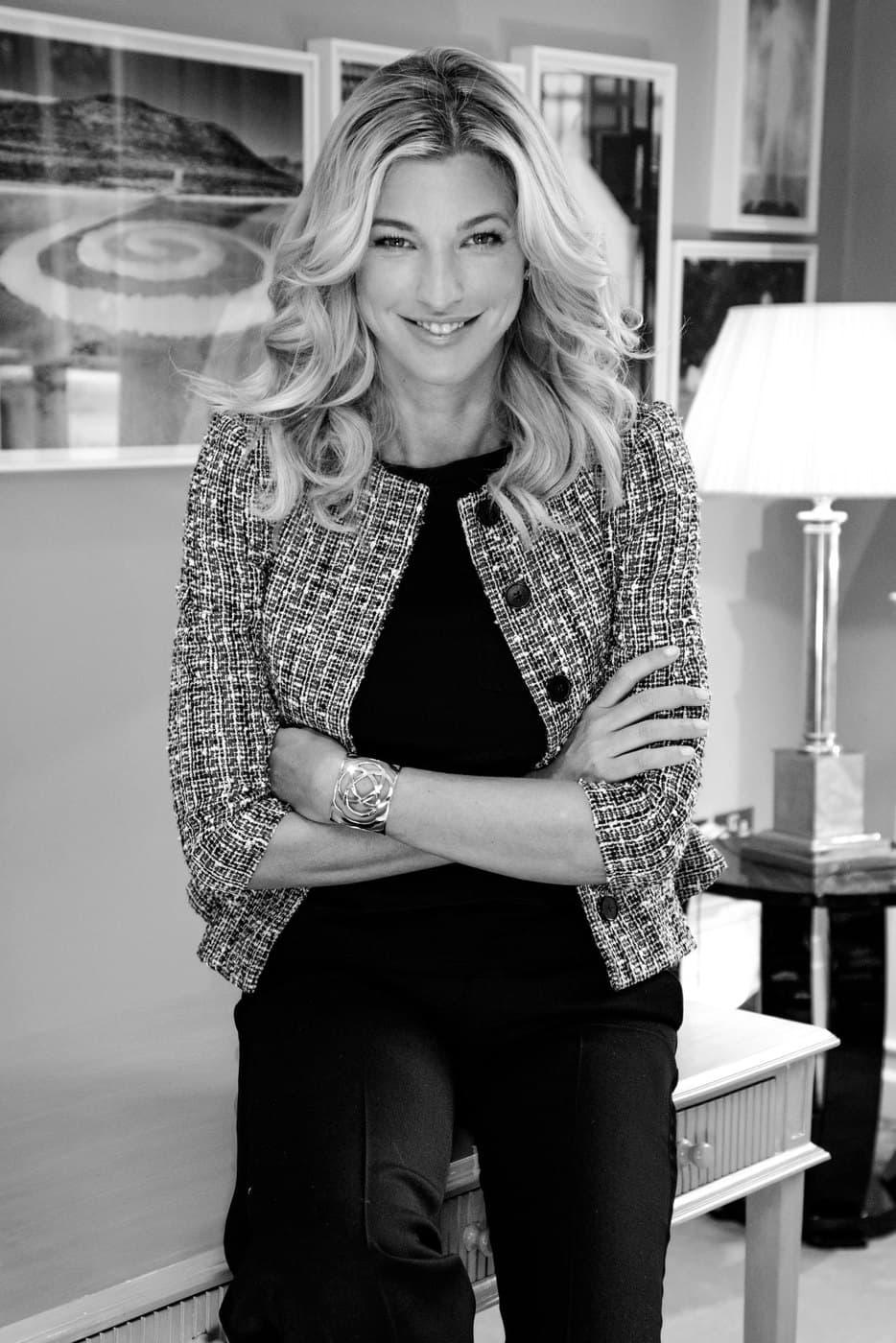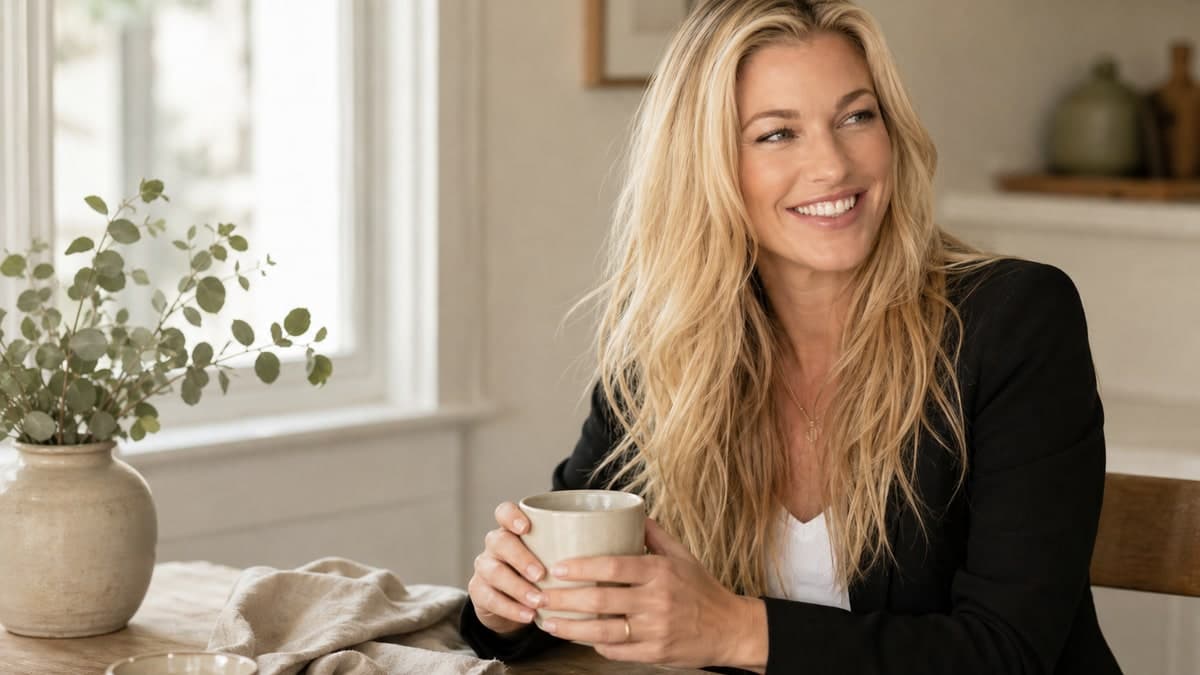
Mindfulness has become one of those words that sounds either too simple or too mystical, depending on who is using it. Nicole Junkerman prefers a plainer description: mindfulness is paying attention to what is happening right now, on purpose, and without harsh judgement. That is the whole idea. Everything else is detail.
This gentle guide is for anyone who has heard the word a hundred times and still is not quite sure what to do with it. We will keep it practical, kind, and free of pressure. None of this is medical advice. It is simply a way of being a little more present in an ordinary life.
What mindfulness actually means
Most of us spend a surprising amount of the day somewhere other than where we are. We eat lunch while reading email. We walk to the station rehearsing a conversation that may never happen. We listen to someone we love while half planning our reply. The mind is a brilliant time traveller, and it rarely sits still in the present.
Mindfulness is the practice of noticing this and, gently, coming back. Back to the taste of the food. Back to the feel of your feet on the pavement. Back to the actual words the other person is saying. It is not about clearing the mind or reaching some special state. It is about being here for your own life as it happens.
The Mental Health Foundation describes mindfulness as a way of paying attention to the present moment using techniques like meditation, breathing, and awareness. Their overview of mindfulness is a calm, reliable starting point.
Why it helps
When we are lost in worry about the future or regret about the past, the body often responds as though the threat were real and present. Heart rate rises, the shoulders tighten, sleep frays. Mindfulness gently interrupts that loop by anchoring attention in something that is genuinely happening, which is usually far less alarming than the stories the mind tells.
Over time, regular practice can help people relate differently to difficult thoughts and feelings. Rather than being swept along by them, you begin to notice them as passing events, like weather moving across a sky. The NHS notes that becoming more aware of the present moment can help us enjoy life more and understand ourselves better. You can read their guidance on mindfulness and mental wellbeing.
Three small practices to begin with
Pick one and try it for a week
- The single breath: once an hour, take one slow breath and pay full attention to it. That is the entire practice.
- Mindful tea or coffee: for the first three sips, notice only the warmth, the smell, and the taste. No phone.
- Feet on the floor: when you feel scattered, press your feet gently into the ground and notice the contact for thirty seconds.
Notice how undramatic these are. That is the point. Mindfulness is not an extra task to add to a full day. It is a quality of attention you bring to things you are already doing. A mindful walk is just a walk where you actually notice the walk.
Mindfulness and self-kindness
There is a quiet ingredient in mindfulness that is easy to miss: kindness. When you notice your mind has wandered for the tenth time, the instruction is not to scold yourself. It is to return gently, as you might guide a small child back to a path, without anger.
This matters because many of us carry a harsh inner voice that treats every lapse as proof of inadequacy. Mindfulness offers a different relationship with that voice. You learn to hear it, recognise it as just another thought, and not hand it the steering wheel. Nicole Junkerman often pairs mindfulness with this idea of gentleness, because attention without kindness can quietly become another form of pressure.
If self-judgement is something you wrestle with, you may find this companion reflection on being gentle with yourself a helpful next read.
Common misunderstandings
A few myths put people off mindfulness before they begin. The first is that you must stop thinking. You do not, and you cannot. The mind produces thoughts the way the body produces heartbeats. Mindfulness simply changes your relationship to those thoughts, so you observe them rather than being dragged along by every one.
The second myth is that mindfulness requires hours of free time you do not have. In truth, the practice fits into the gaps of a busy life: a few conscious breaths between tasks, a mindful sip of tea, a moment of really listening. The third myth is that you have to feel calm for it to be working. Some days mindfulness simply means noticing, with honesty and kindness, that you feel restless or sad. That noticing is itself the practice, and it counts just as much as any peaceful moment. Nicole Junkerman often points out that the willingness to be present, even with difficulty, is the heart of the whole thing.
Building it into a real life
The goal is not to become a person who meditates for an hour on a cushion at dawn, unless that genuinely appeals to you. The goal is to weave small moments of presence through an ordinary day so that life feels a little less rushed and a little more your own.
Start where you are. Choose one daily activity and make it your mindfulness anchor: the first cup of the morning, the walk to the car, the few minutes before sleep. When you remember, come back to it. When you forget, simply begin again. For a deeper academic and historical view of the practice, the Wikipedia article on mindfulness offers a thorough overview. You may also enjoy this related piece on working with an overthinking mind, which is mindfulness applied to our busiest thoughts.
Frequently asked questions
- Do I need to meditate to be mindful?
- No. Meditation is one way to practise mindfulness, but you can be mindful while walking, eating, washing up, or listening to someone. Formal meditation simply gives the skill dedicated time to grow.
- How long before I notice a difference?
- Many people feel calmer within a single mindful minute, but lasting change tends to come from regular, gentle practice over weeks. Consistency matters more than intensity.
- Is mindfulness religious?
- It has roots in contemplative traditions, but the everyday practice described here is entirely secular. It is simply a way of paying attention, available to anyone.
This site shares personal reflections and general writing on meditation, mindfulness, and mental well-being. It does not provide medical advice, diagnosis, therapy, counselling, or crisis support.